
2026-11-27 18:26:08
Sectional coil winding is a winding arrangement in which a coil is divided into multiple sections rather than being wound as one continuous, uniform winding layer. This configuration is used in certain transformers, inductors, and other electrical components to manage voltage distribution, insulation requirements, leakage inductance, and winding structure.
The design is particularly relevant when electrical equipment requires specific insulation arrangements or controlled magnetic performance.
In sectional coil winding, the winding is separated into individual sections according to the electrical and mechanical requirements of the component.
Each section may contain a defined number of turns and may be separated by insulation materials or physical spacing. The sections can be connected in series or parallel, depending on the intended circuit design.
The number of sections, turns per section, and insulation arrangement depend on factors such as:
Required voltage and current
Operating frequency
Electrical insulation requirements
Available winding space
Core dimensions and magnetic characteristics
Unlike a simple continuous winding, sectional arrangements allow engineers to control the physical distribution of conductors within the winding structure.
Sectional winding is selected for specific electrical and manufacturing requirements.
Improved Voltage Distribution
Dividing a winding into sections can help manage voltage distribution across different winding regions. This is particularly important in certain high-voltage transformer designs.
Insulation Management
Physical separation between winding sections provides space for insulation materials and electrical barriers. The insulation system must be designed according to the operating voltage and applicable safety requirements.
Control of Leakage Inductance
The relative position and arrangement of winding sections influence magnetic coupling between windings. Engineers can adjust sectional configurations to achieve the required leakage inductance.
Flexible Winding Configuration
Different section arrangements allow manufacturers to accommodate specific electrical connections, winding dimensions, and component structures.
Sectional winding can be designed in several configurations depending on the electrical component.
Series-Connected Sectional Winding
Individual winding sections are connected in series to achieve the required total number of turns and voltage characteristics.
Parallel-Connected Sectional Winding
Multiple winding sections are connected in parallel when the electrical design requires current sharing. The sections must be designed with appropriate electrical characteristics to ensure balanced operation.
Primary and Secondary Sectional Winding
In transformer manufacturing, primary and secondary windings may be divided into sections to manage insulation, coupling, and leakage inductance.
Interleaved Sectional Winding
Primary and secondary winding sections are arranged alternately in certain transformer designs. This configuration can reduce leakage inductance, although it may increase interwinding capacitance and insulation complexity.
The choice between sectional and continuous winding depends on the component's electrical requirements and manufacturing constraints.
| Comparison | Sectional Winding | Continuous Winding |
|---|---|---|
| Winding structure | Divided into separate sections | Wound as a continuous arrangement |
| Insulation layout | Allows insulation between sections | Depends on layer and winding insulation |
| Design flexibility | Supports customized section arrangements | Often simpler for uniform winding structures |
| Manufacturing | Requires controlled section placement | May involve a more straightforward winding process |
| Typical applications | Specialized transformers and inductive components | Various transformers, coils, and inductors |
Neither method is universally better. The appropriate structure depends on voltage requirements, magnetic coupling, thermal conditions, and production considerations.
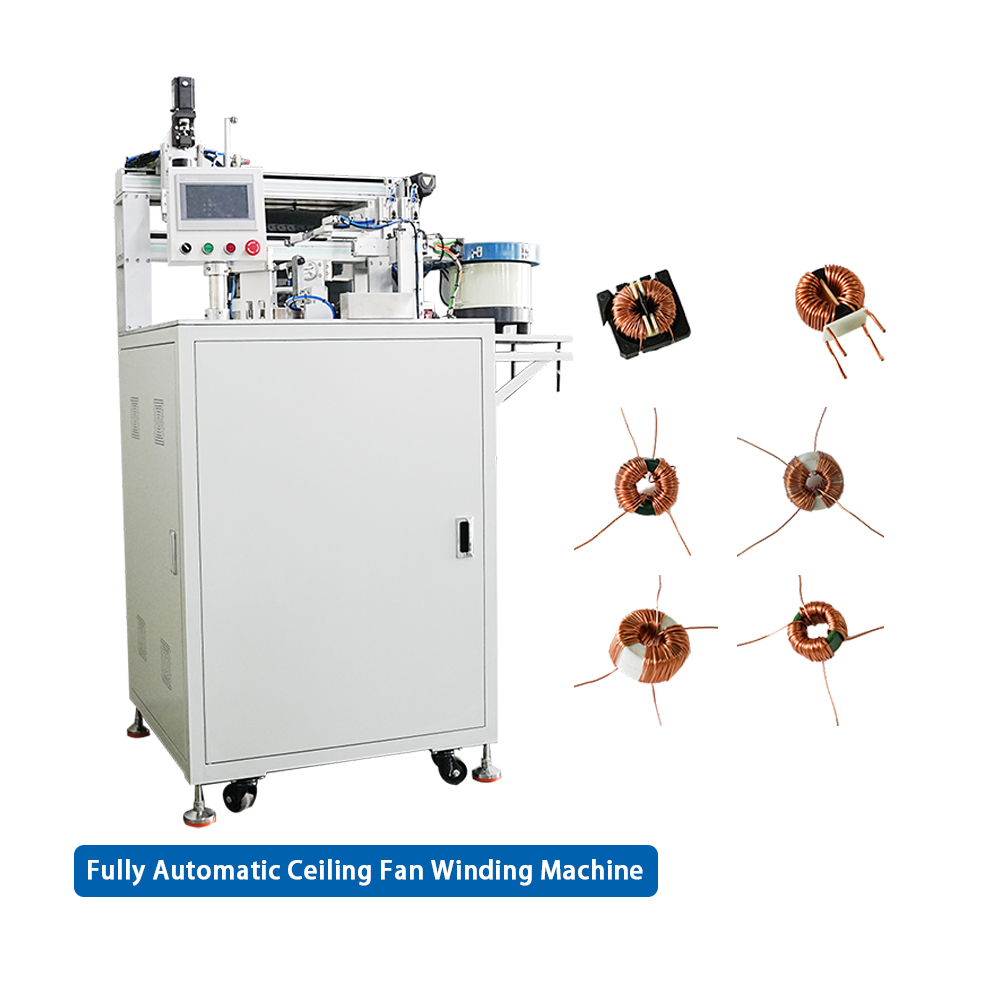
Sectional winding is found in electrical equipment where winding distribution and insulation arrangements are important.
Power transformers: Used in selected designs to manage winding voltage distribution and insulation.
High-voltage transformers: Sectional arrangements can help accommodate insulation requirements and winding configurations.
Pulse transformers: Winding arrangements may be designed to meet specific pulse response and electrical isolation requirements.
High-frequency transformers: Sectional and interleaved structures can be considered when controlling leakage inductance and parasitic capacitance.
Industrial inductors: Certain inductor designs use sectional arrangements to meet specific electrical and physical requirements.
The actual winding structure depends on the operating conditions and electromagnetic design of each component.
Several technical factors should be evaluated before production.
Section Dimensions
The width, height, and number of turns in each section must fit the available winding space while meeting electrical requirements.
Insulation Materials
Insulation materials should be selected according to operating voltage, temperature, environmental conditions, and applicable standards.
Electrical Connections
Series and parallel connections affect the total electrical characteristics of the winding. Connection details should be verified during design and testing.
Thermal Performance
Winding resistance, current density, and heat dissipation influence operating temperature. Section arrangements should leave sufficient space for the required insulation and thermal management.
Manufacturing Accuracy
Consistent section placement, turn counts, wire positioning, and insulation application are important for repeatable production quality.
Sectional coil winding provides a structured way to arrange conductors within transformers, inductors, and other electrical components. By dividing a winding into separate sections, engineers can manage insulation, voltage distribution, and magnetic coupling according to the application's requirements.
Selecting the right sectional winding configuration requires coordination between electromagnetic design, insulation engineering, thermal considerations, and manufacturing capabilities.

Specialised in automated winding equipment and system development, production, sales and technical services as one of the high-tech enterprises.

+0769 82312151
+86 135 8090 8886
+86 132 6737 9998
3F, No.51 Minghua Road, Liangjia Village, Shijie Town, Dongguan City, Guangdong Province, China
Copyright © 2026 Dongguan Zhiqiang Electronic Technology Co., LTD | Privacy Policy | Terms and Conditions
